
| PAYWALL REMOVED |
| This is a collaborative article. Vaasa Insider independently decides on and creates the editorial content, while partner companies sponsor free access to the article. Together, we support Ostrobothnian business. |
Korsnäs could potentially become a mining community again. The lead deposits have long been exhausted, but now it’s rare earth metals that are waiting to be extracted from the ground.
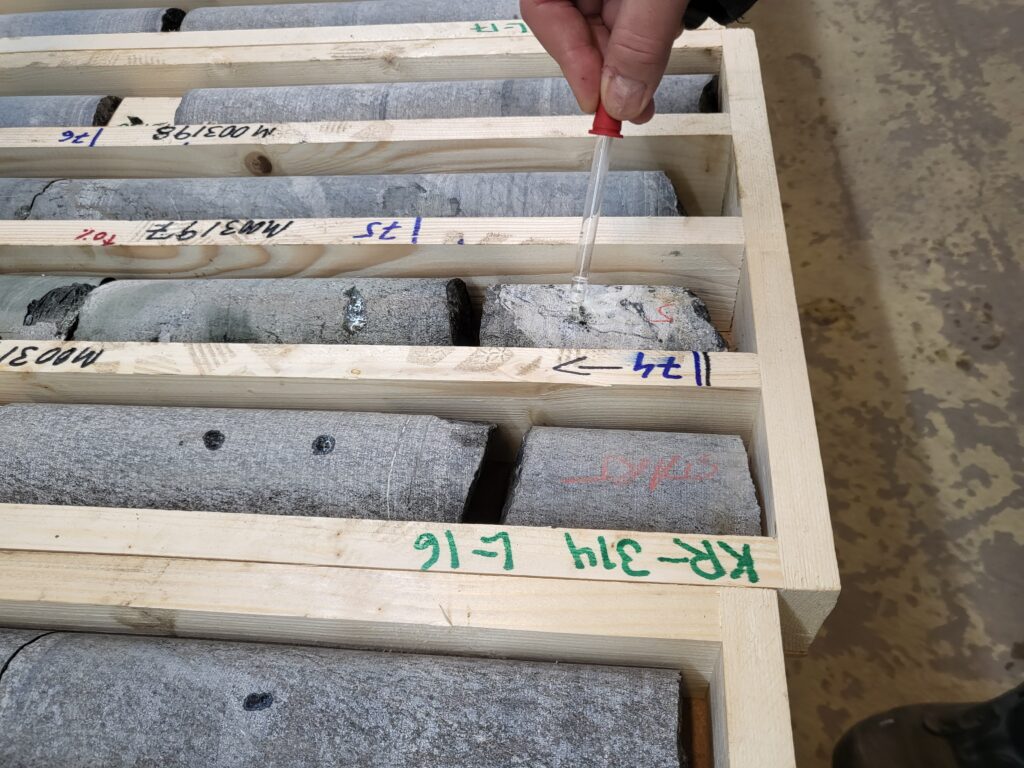
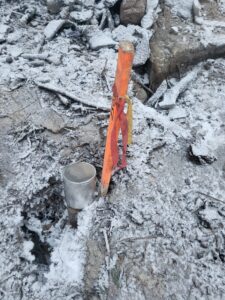
A dozen new drill holes have been drilled in Korsnäs’ old mining area over the past few months. The new data being collected adds to the massive amount of information generated by the 479 holes drilled in the 20th century.
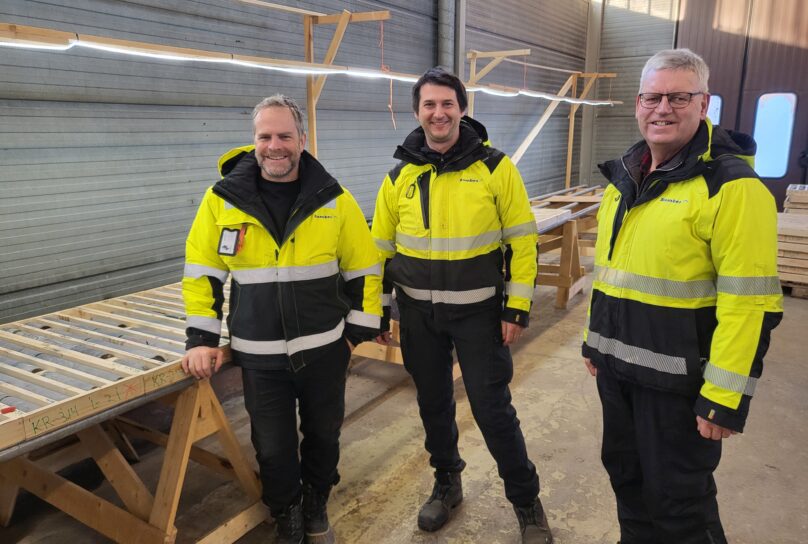
”Oldtimers were here for lead, but they kept on finding rare earth metals,” says Jason Beckton, Managing Director of ASX-listed European Resources and its wholly owned Finnish subsidiary, Bambra.
He also praises the old miners, saying they left the project in excellent shape.
”They knew they had rare earths in their hands, but it wasn’t worth processing at that time.”
A good starting point
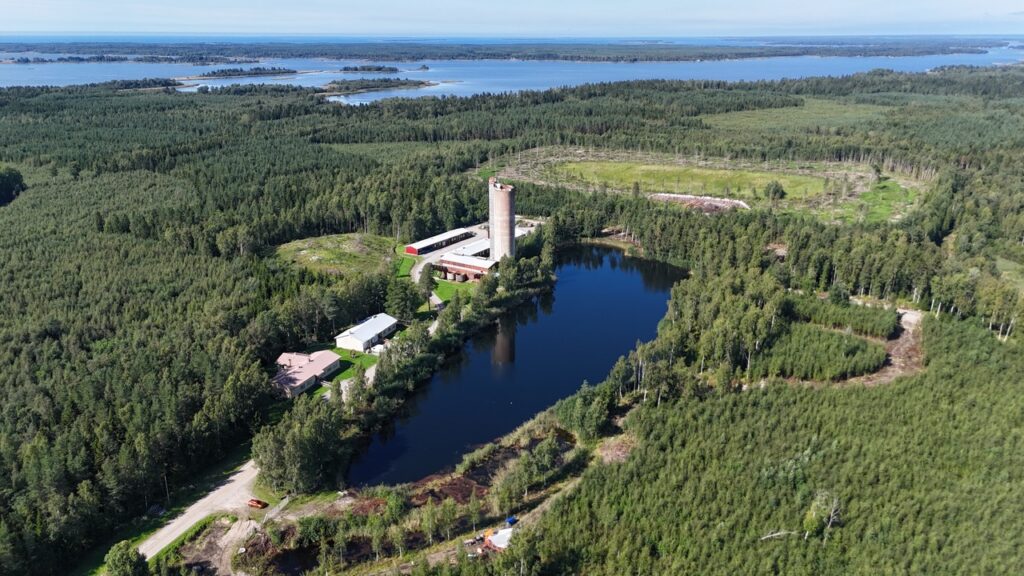
Finnish legislation makes information about old drill holes accessible, and even sample pieces may be available. This allows for a return to the site to analyze materials using new methods.
”The same applies to the new drill holes we’re creating, where we’re making the information public,” says Beckton.
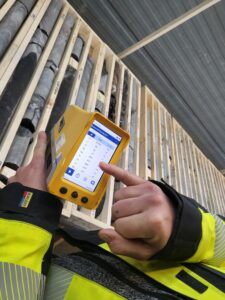
Bambra is currently analyzing all available data and generating more to better understand what lies beneath the surface. There are many elements of interest, but among those with the greatest potential are lanthanides, praseodymium, and neodymium.
Beckton is open about the fact that the starting point is favorable. The area has old infrastructure that can be used in one way or another, as well as old tailings that can be reprocessed, and a lanthanide concentrate stockpile.
”We’re not here to innovate something completely new; ’refurbish’ is a better word. Many processes here are already well-designed and thought out,” says the Managing Director.
Senior Geologist Marián Urban points out that it would have taken 6–7 years to reach the stage they are at now if they had started completely from scratch in Korsnäs. The process would also have cost millions of euros to reach this level, making the current approach much more cost-effective.
Warm welcome from the local community
Korsnäs is a historic mining community, where up to 160 people were once employed at the mine at its peak. Göran Östberg, Bambra’s Site and Safety Manager, says the reception from local residents has been very warm. Many of them previously worked at the mine themselves and are eager to share their memories.

Today, the municipality owns the buildings, infrastructure, and land around the mine. Jason Beckton says it is a pleasure to work in a place where the company is welcomed with open arms. He also notes that the conditions for mining in Finland are favorable.
”There is a competent workforce, and energy prices are attractive in an international comparison.”
Looking beyond the local and national level, there is also an EU perspective on mining. Marián Urban, who also manages the company’s activities in Slovakia, explains that a large share of the global rare earth elements market is controlled by China, giving it the ability to influence prices quickly. The EU therefore has a strong incentive to ensure a secure and reliable supply of these metals at all times.
A small but efficient team
Bambra is a subsidiary of European Resources Limited, previously known as Prospech Limited. The company recently changed its name from Prospech, as that name was better suited to its earlier main focus in Slovakia. The company still holds assets there, where gold and silver were of primary interest.
However, the main focus is now in Finland. That said, not all eggs are in the Korsnäs basket. The company is also developing a project in Jokikangas.
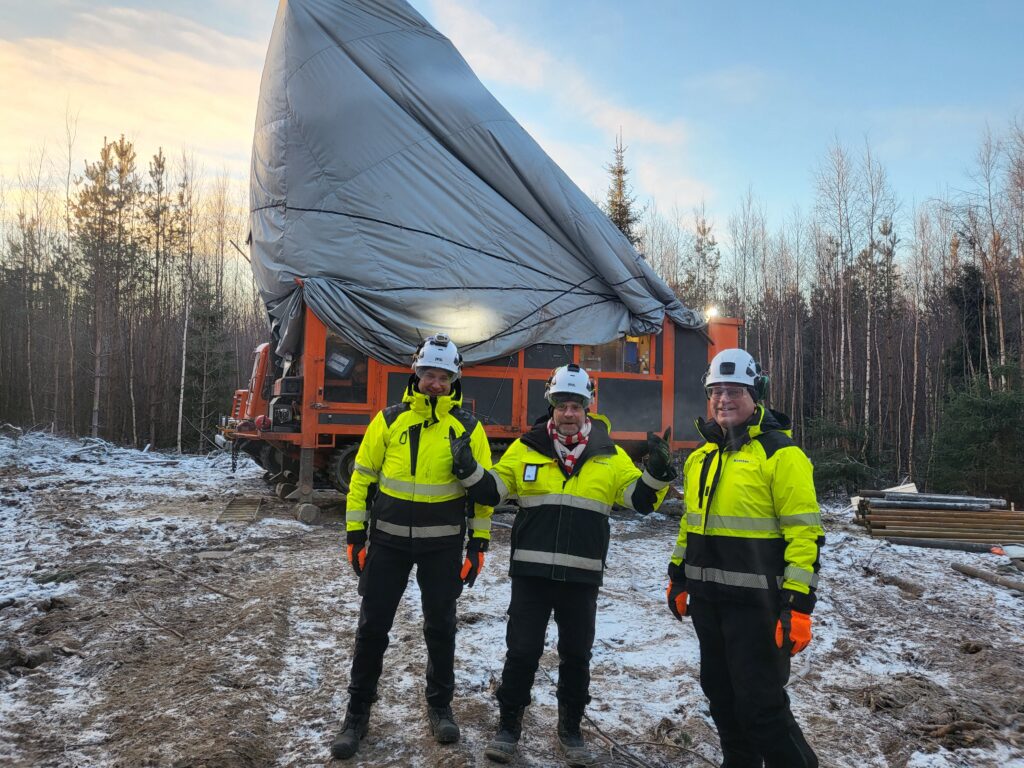
European Resources Limited is registered in Sydney, Australia, which means it operates under the JORC Code – a regulatory framework that requires a high level of transparency compared to many others. The Managing Director emphasizes that transparency and environmental issues are key values for the company.
”We also have experience working in very sensitive areas and always take the environment into account,” he says.
The company is small and currently cash-negative, employing a team of about six to seven people. This could change quickly once the right conditions are in place.
Potential for significant growth
It is still too early to say how large the Korsnäs project could become. The operation would involve underground mining. The existing shaft reaches a depth of 265 meters, although it is currently filled with water. Underground mining is more labor-intensive than open-pit operations.
Looking ahead, if the project moves to the next stage, the company could quickly scale up to a team of 20–30 people. In the longer term, and based on comparable projects that team members have previously worked on, it is not unrealistic that 150–200 people could eventually be employed locally at the Korsnäs mine.
Urban stresses, however, that every project is unique and that it is still too early to predict the final scale.
”Mining is important, but the entire value chain – including how the material will be processed and separated – must be carefully planned first,” he says.
The next step in Korsnäs is to develop an economically feasible concept that will allow the company to decide which options are worth pursuing.
READ ALSO:
Vaasa-based Jukolux develops lighting for extreme conditions